Voluntary Reporting by Community Foundations
August 20, 2024
An Approach to Community Development and the 2030 Agenda
September 16, 2024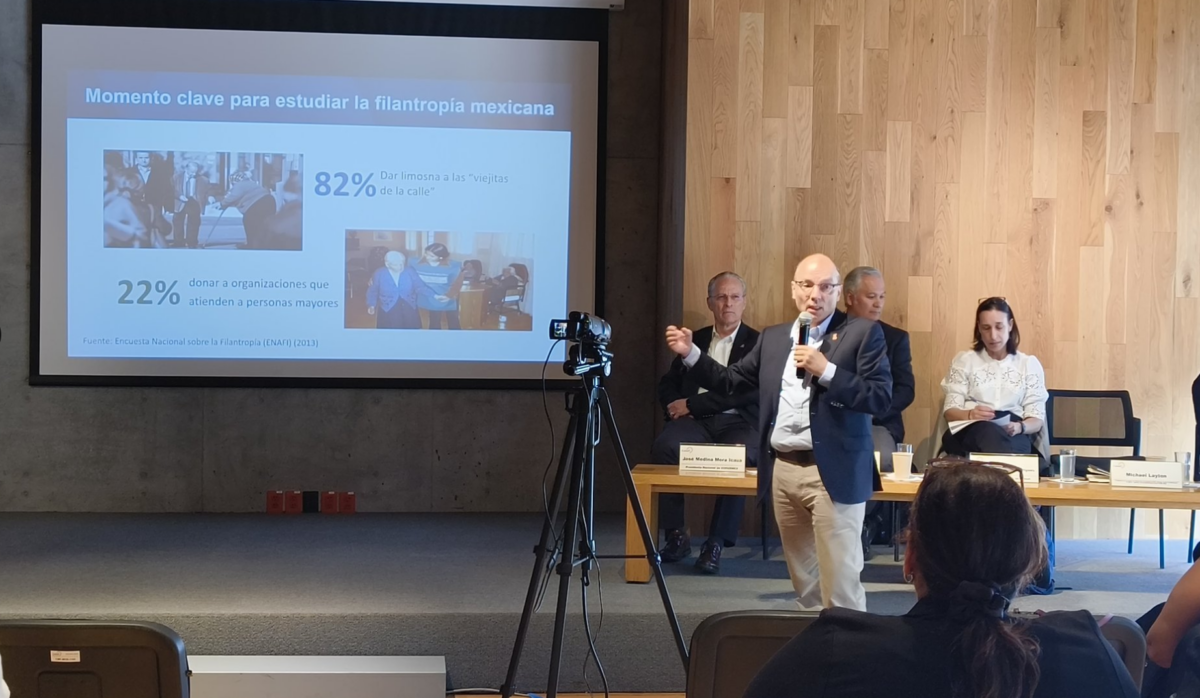
The Dorothy A. Johnson Center for Philanthropy at Grand Valley State University, with support from the Mott Foundation, presented the research Connecting Community Foundations with Family Philanthropy in Latin America: Mexico, exploring the dynamics of the philanthropic ecosystem at a pivotal moment in its development.
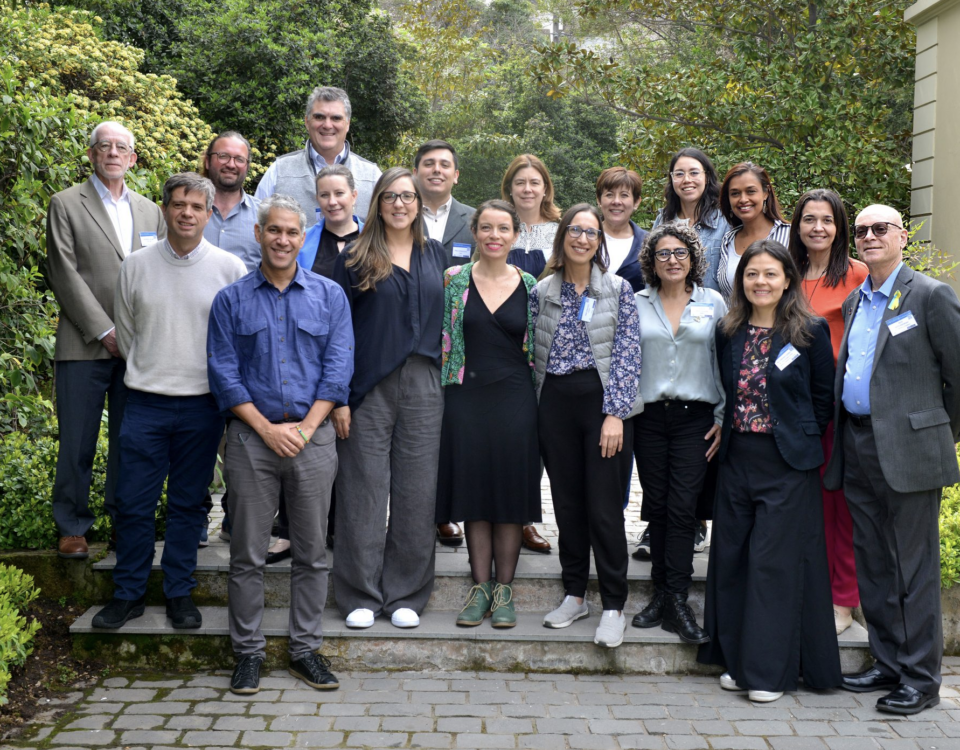
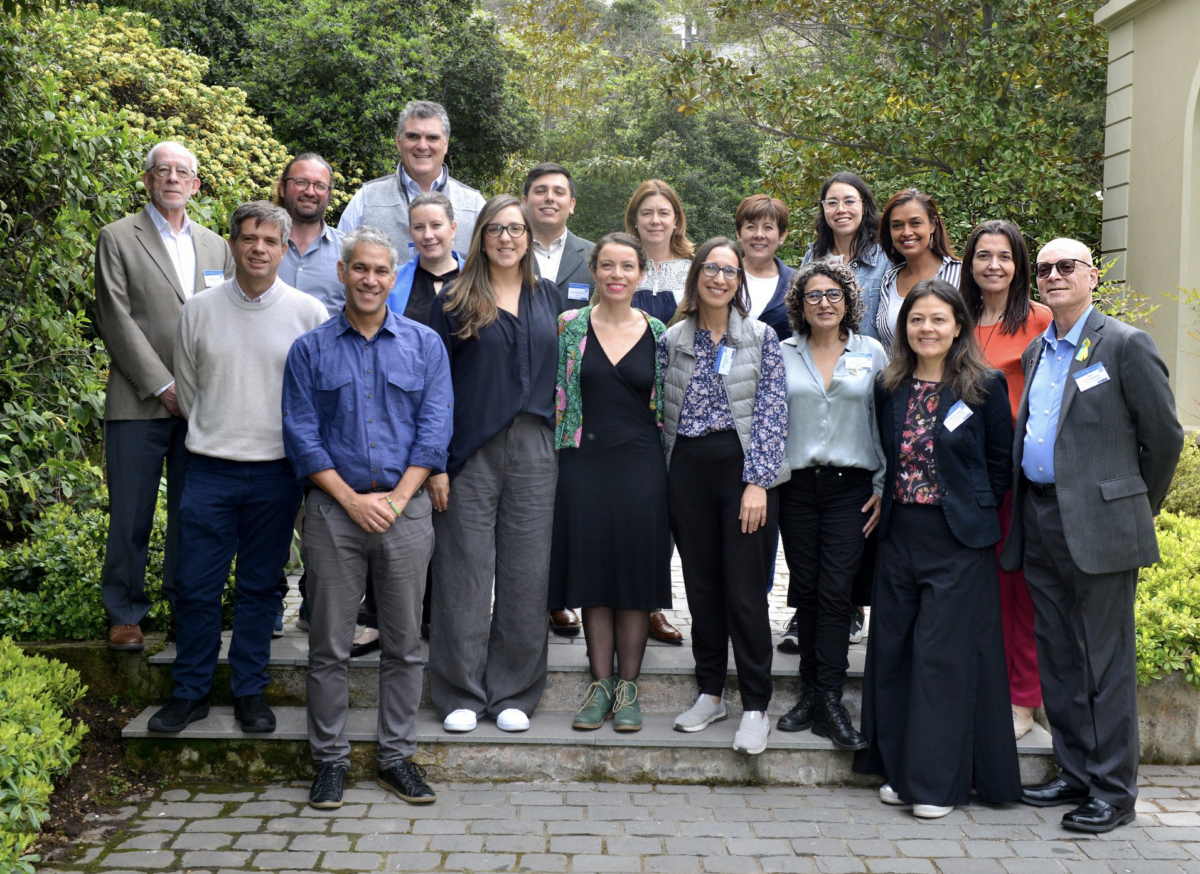
The research was conducted by Michael Dennis Layton, a member of the W.K. Kellogg Chair in Community Philanthropy at the Dorothy A. Johnson Center for Philanthropy, and Michael Moody, a professor at Indiana University’s Lilly Family School of Philanthropy, who recently visited Mexico to present their findings.
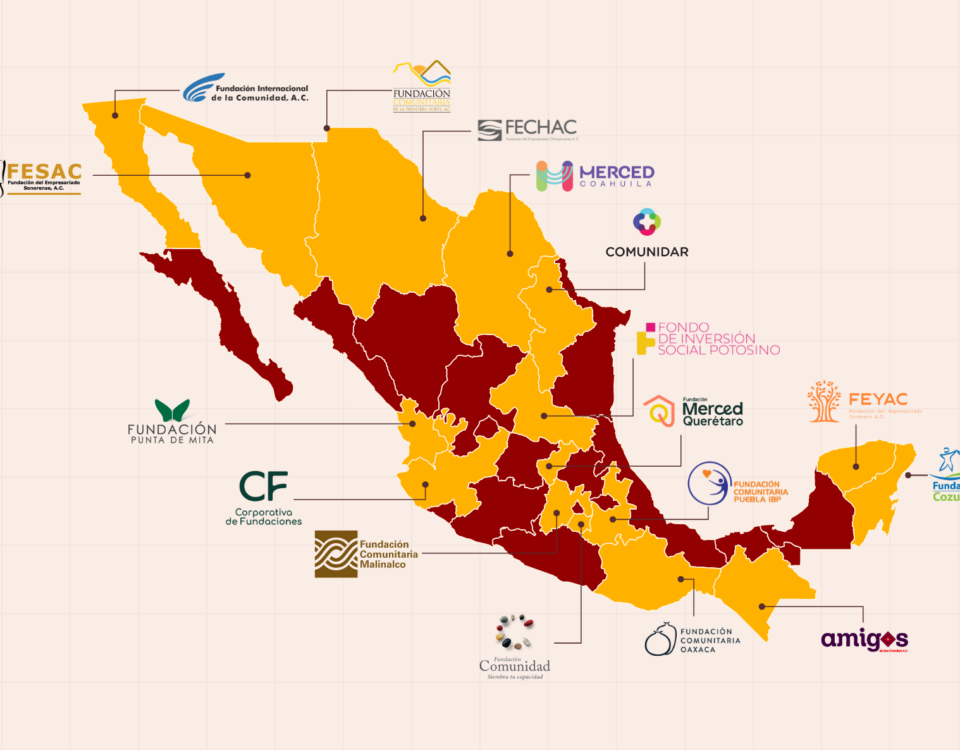
This initiative brings together the views and aspirations of more than 50 philanthropists, professionals, and thought leaders, delving into their motivations, local ties, and commitment to the development of their communities. It was made possible thanks to the collaboration of the COMUNIDAR Foundation, Corporativa de Fundaciones, the Puebla Community Foundation, the Yucatecan Business Foundation, and Ensamble.
Among the report’s key findings, the following stands out: family philanthropy in Mexico—traditionally rooted in faith and with strong ties to the Catholic Church— is undergoing a transition toward a more secular and modern approach. This shift reflects the evolution of Mexican society and the country’s economic growth. The new generation of philanthropists is seeking innovative ways to channel their generosity, focusing on creating shared prosperity at the local level.
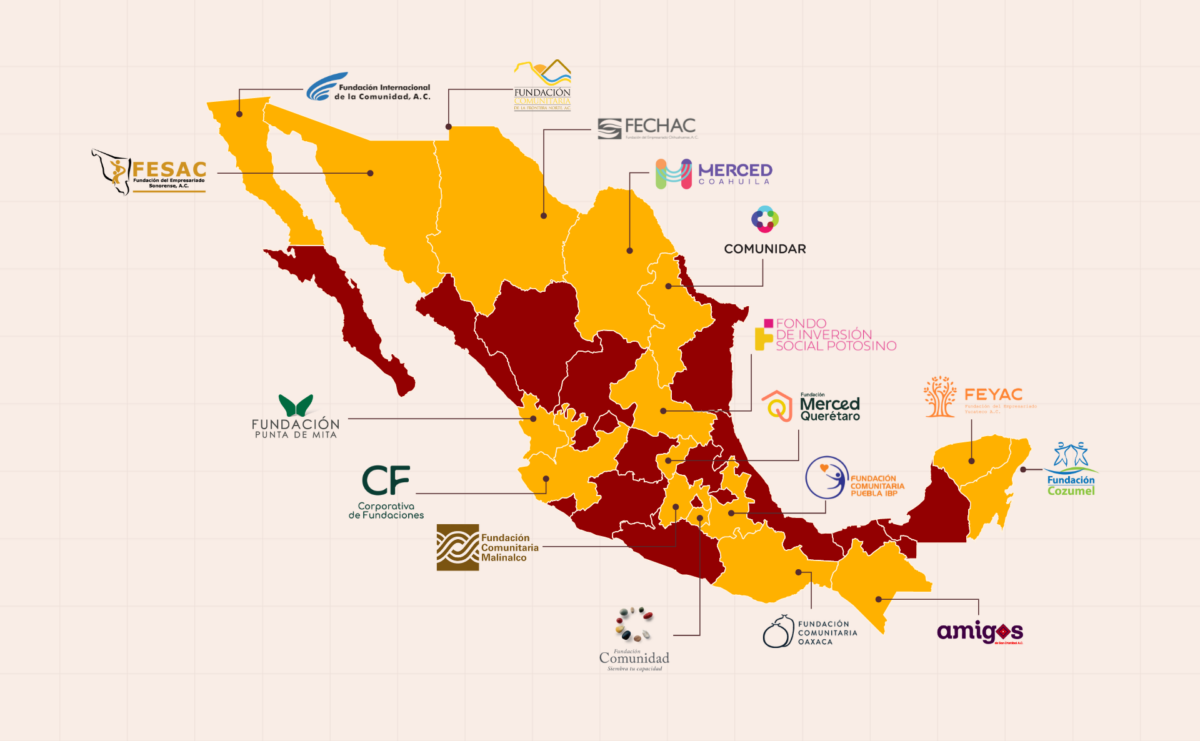
Community foundations have adapted their model to the context of their communities, with Mexico having the most community foundations in Latin America. These foundations play a crucial role in mobilizing local resources and promoting sustainable development in their communities. However, the country’s social sector currently faces significant challenges due to an environment characterized by low trust, as well as a regulatory framework that tends to be restrictive.
In this regard, community foundations in Mexico must navigate a challenging environment, marked by a limited culture of formal giving, an underdeveloped nonprofit sector, and a largely hostile government: challenges that limit the foundations’ ability to attract donors and strengthen the philanthropic ecosystem at the local and national levels.
Given this context, the researchers have drawn up a roadmap with key recommendations for strengthening the philanthropic ecosystem at both the local and national levels:
- Fostering Collaboration and Learning: It is essential that community foundations act as catalysts for collaboration among donors, institutions, and the public sector. This collaboration can improve program outcomes and promote shared learning that benefits the entire philanthropic ecosystem.
- Articulate the value proposition of Mexican community philanthropy. Inspired by historical figures such as Andrew Carnegie, community philanthropy leaders must articulate a compelling message that resonates at both the national and local levels. This “Gospel of Community Philanthropy” must be adapted to the specific realities of each community in order to be effective.
- Developing and supporting local leaders: Inspiring local leaders are essential to promoting the community foundation model. These leaders must be nurtured and supported so that they can expand the reach and influence of their foundations within their communities.
- Fostering a Deeper Culture of Philanthropy: It is necessary to involve a greater number of people in philanthropic activities, especially younger generations and those who have not traditionally participated in the sector. To this end, practices that build trust and promote greater community participation must be adopted.
- Increase visibility and trust in the sector: Developing impact narratives that combine data and testimonials is essential for building trust in civil society organizations. These stories should highlight the crucial role that community foundations play in fostering more prosperous communities.
Despite the challenges, the report concludes that there are significant opportunities to strengthen the philanthropic movement in Mexico. Community foundations, with their focus on local development and their ability to mobilize resources, are well-positioned to lead this change alongside family philanthropy.
Read the executive summary of the research Connecting Community Foundations with Family Philanthropy in Latin America: Mexico