Thriving as a Community: Comunalia Turns 10
November 11, 2021
#ADayToGive and to make a difference in the community
November 24, 2021
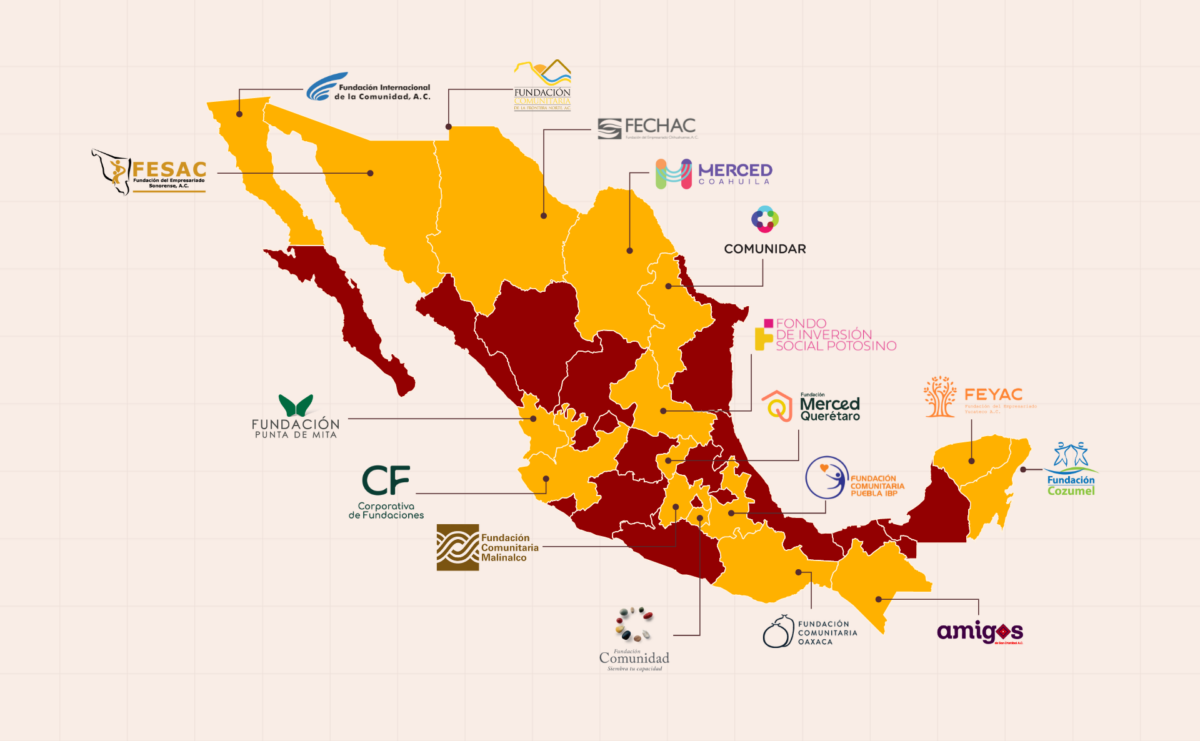
Monterrey, Nuevo León, November 23, 2021. As part of the celebration of 10th anniversary of Comunalia: Thriving in Community from November 8 to 12, the alliance’s partner community foundations, civil society organizations, and grassroots groups reflected on the challenges facing the sector while envisioning the future to drive community development in Mexico.
Through the proposal from the Comunalia Overseas Committee, we are launching virtual spaces—panels, webinars, and presentations—to highlight our work and identify the challenges facing organized civil society in Mexico, with the goal of contributing to a better quality of life for people in our communities.
Organized civil society plays a fundamental role in upholding democracy by involving everyone in addressing public issues. The current political climate calls on us to defend and preserve these spaces so that we can tackle the common challenges facing our communities.
Support and Shared Learning
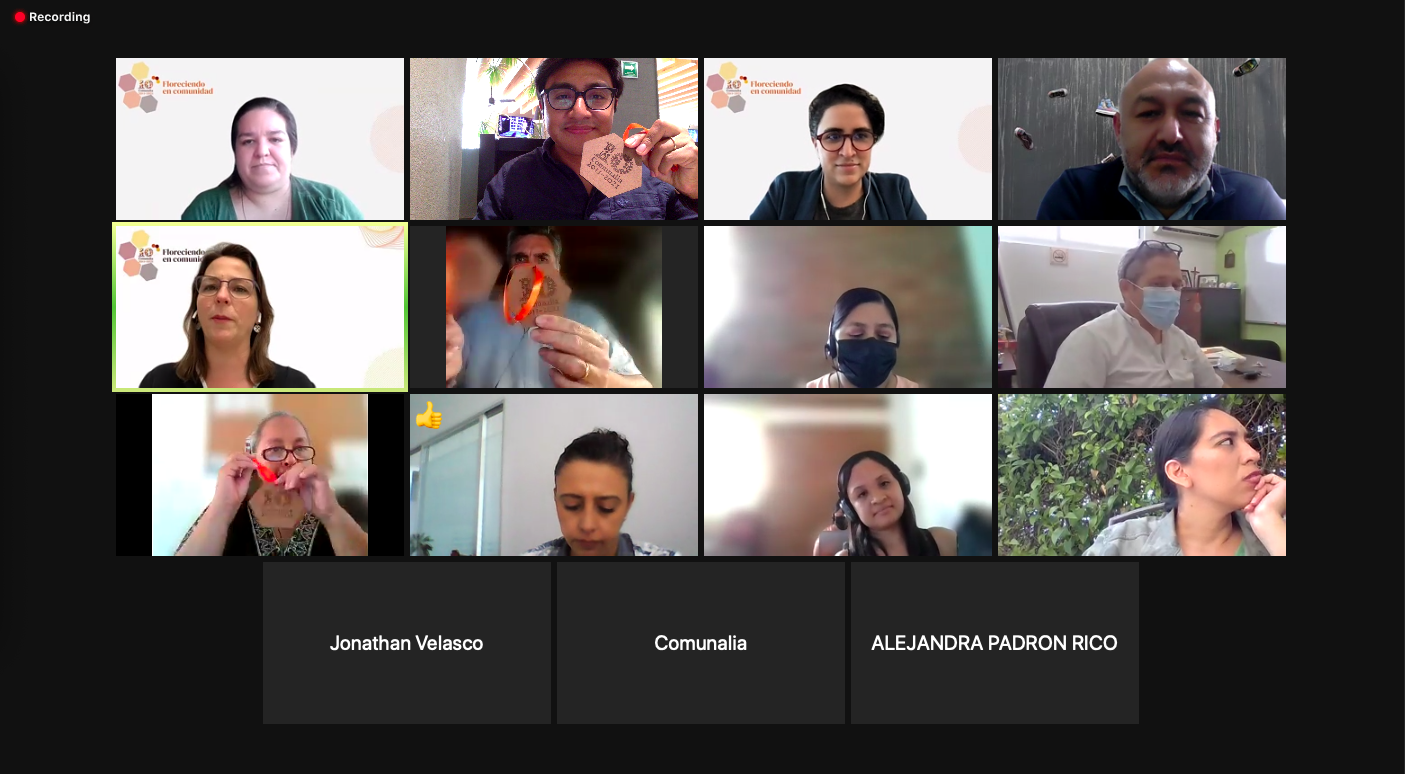
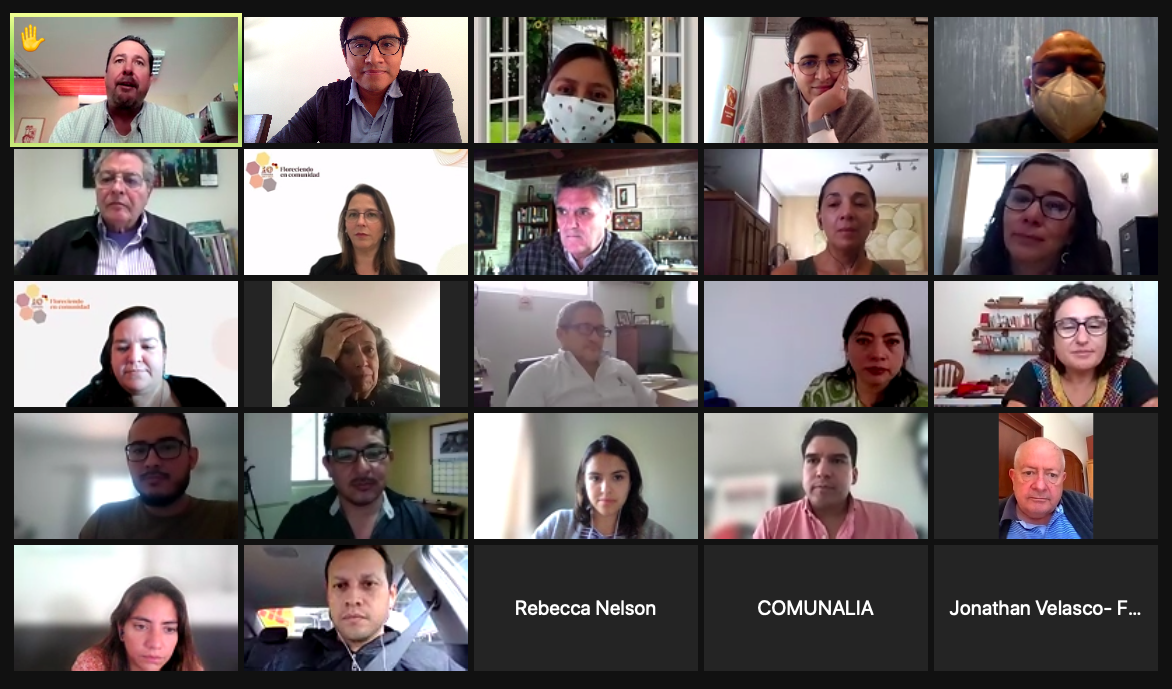 The week-long agenda fostered dialogue and reflection. On November 8, members of the community foundations discussed our shared achievements, values, experiences, and lessons learned 10 years after Comunalia was founded.
“In what we’ve discovered, we see that there is value in learning, in working as a team, in giving each other feedback, and in inspiring others at all times—but especially during this pandemic. It has undoubtedly been a deeply inspiring time for many, fostering strong community work through the values of strategic philanthropy,” reflected Agustín Landa, president of Comunalia.
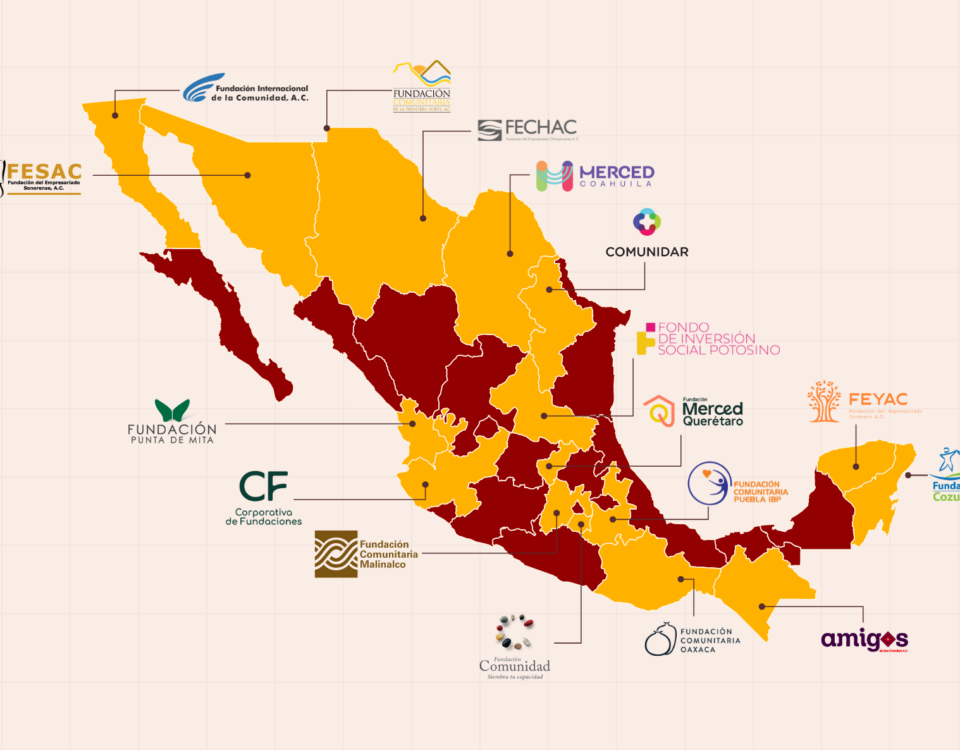
After this first decade, one of the common themes that emerged from the discussions within the conversation groups during this virtual session was that Comunalia is a safe space where experiences are shared, with horizontal participation and a common vision among the alliance’s 16 members.
“Our shared perspective on community development is what brings us together in this alliance; for all of us, this is a key factor that motivated us to join Comunalia and keeps us here—and a common vision that is taking shape within Comunalia,” says Jonathan Velasco, director of Programs and Funds at the Oaxaca Community Foundation.
The Challenges of Strengthening the Sector
 During the panel discussion “Strengthening Strengtheners,” held during the morning session on November 9, Lucía Hidalgo of Alternativas y Capacidades, David Pérez Rulfo of Corporativa de Fundaciones, Cristina Ruiz of CEMEFI, and Mauricio Canseco of yCo Centro de Fortalecimiento reflected on the challenges faced by organizations that specialize in training and strengthening other civil society organizations.
One of the concerns we shared in this forum was the oversimplification of the concept of capacity building, resulting from an oversupply of training courses in the sector that do not lead to long-term changes in the organizational culture of institutions.
“The question is how to achieve this much deeper level of support—not just in terms of education or training, but in terms of genuine strengthening. And we must not overlook the concept of sustainability within organizations to ensure their long-term survival, adaptation, and growth,” explains Cristina Ruiz.
Strengthening organizations enables them to turn their reach into a virtuous cycle that fosters civic engagement by promoting citizen participation and the appropriation of civic space in Mexico, the participants in this forum concluded.
Consequently, donor organizations are taking on the challenge of viewing people more as partners than as beneficiaries. However, these institutions need to strengthen themselves to determine what the most strategic form of social investment is today, beyond their specific agendas, explained Lucía Hidalgo.
We explore the relationship that develops between the supporting institution and the organization being supported, which should be understood as an exchange of mutual value. Hence, accreditation frameworks are tools for building deeper relationships that lead to genuine strengthening.
“Why and for what purpose should we strengthen it? It seems to me that organized civil society, in these times—today more than ever—is the symbol of freedom and democracy. And if we have trouble understanding the purpose—today, the fact that people can organize, support, and fund this group, or any cause they deem valuable in their community, is precisely to defend freedom and democracy,” concluded David Pérez Rulfo, director of Corporativa de Fundaciones.
A Step-by-Step Guide to Effective Fundraising
Ma. Laura Muñoz, a member of the Mexico–United States Border Philanthropy Alliance, guided us step by step through the afternoon session on November 9, providing strategic tools and advice for fundraising within our organizations.
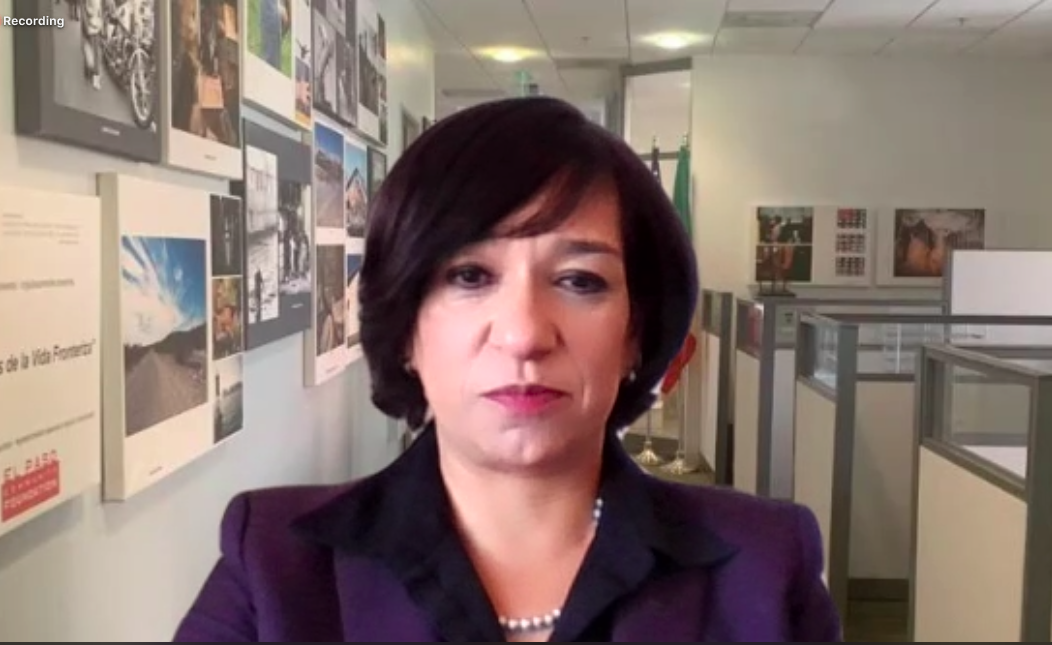
Among Muñoz’s recommendations, we discussed planning and preparing our plan; learned about communication strategies; building a development team; as well as best practices regarding ethics, transparency, and accountability.
“We must never forget to be innovative, to integrate different elements, and to seek out and care for donors. And we must have a structure that provides donors with certainty and confidence and makes them feel like partners, since we are bringing about significant changes in society thanks to them,” he emphasized at the end of the session.
Community Philanthropy and #ShiftThePower
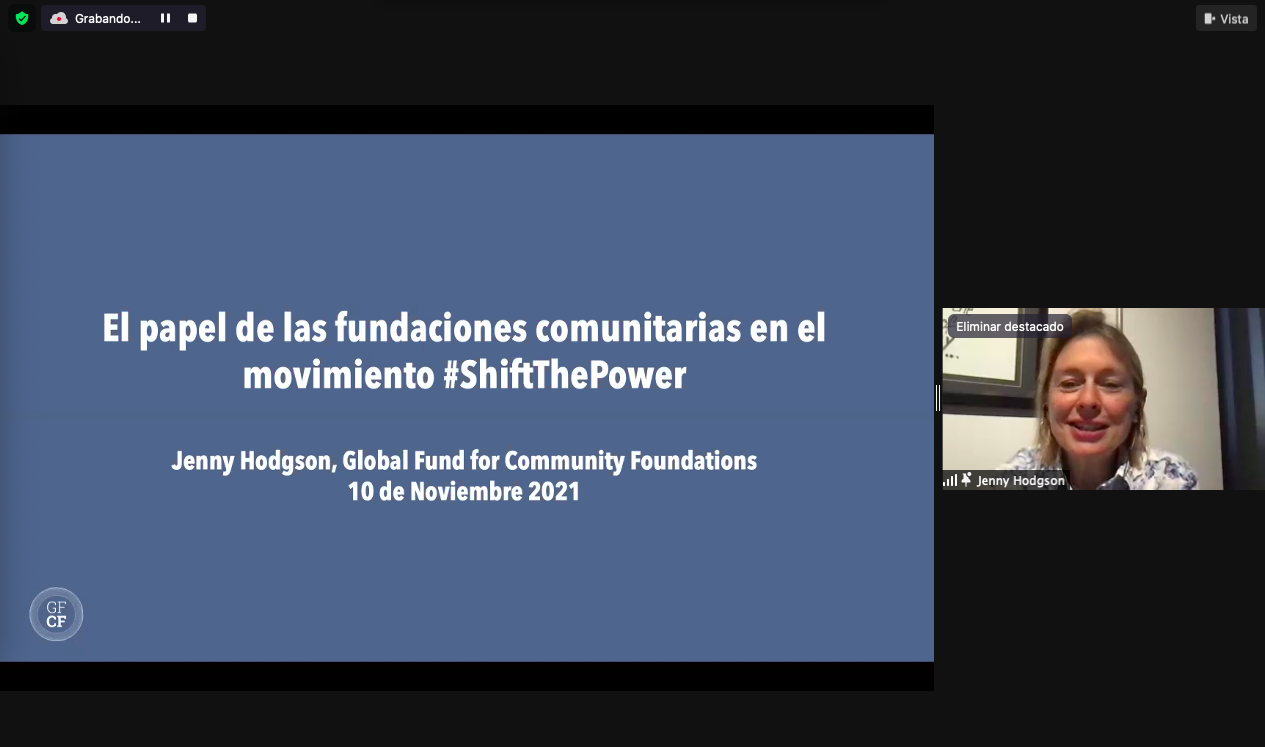 The #ShiftThePower movement was launched in 2016 at the Global Summit on Community Philanthropy organized by the Global Fund for Community Foundations. It promotes people-centered development, recognizing that people have the skills, knowledge, resources, and power to bring about the changes their communities need.
This movement is closely linked to the work of community foundations, grassroots donors, women’s funds, and environmental funds, challenging the development paradigms promoted by agencies outside the local communities where they operate.
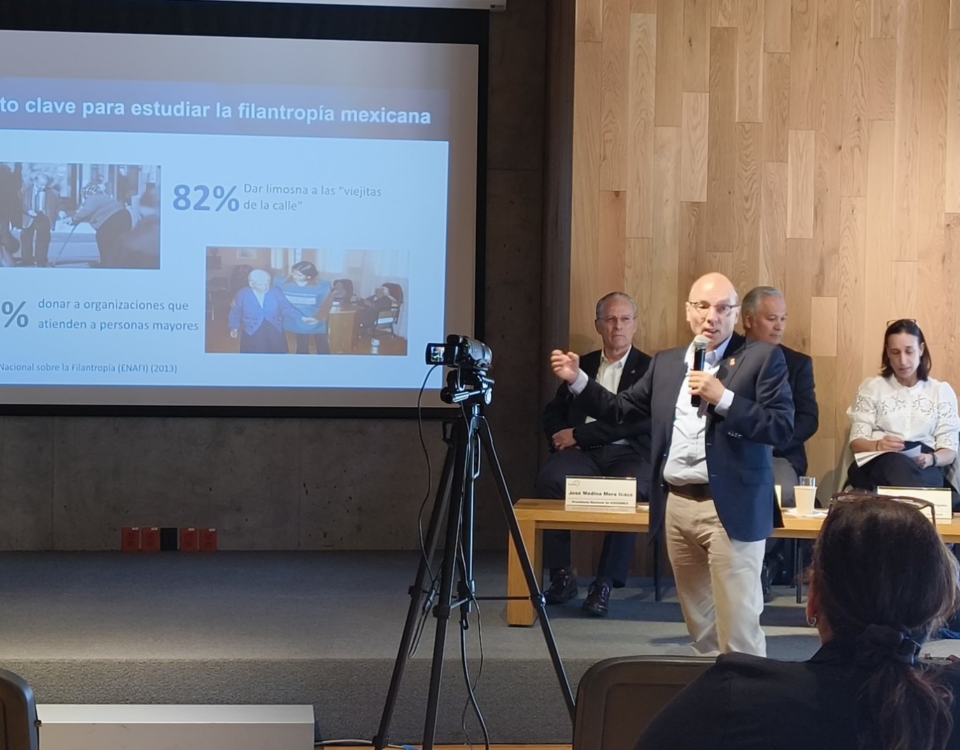
Jenny Hodgson, executive director of the Global Fund for Community Foundations, spoke to attendees about the role of community foundations in promoting the #ShiftThePower movement, sparking reflections on building trust for collaboration, connections, and forms of organization among different segments of our communities, as well as managing and challenging power dynamics as they arise.
“To build trust, the most important thing is to maintain dialogue and constant communication with people, but also to reach out beyond the leaders to everyone involved; we must give a voice to those who don’t have one and involve them,” proposed Itzel González of Cómo Vamos Colima.
To build a future for Mexico 30 years from now in which people actively participate in their communities and generosity, volunteerism, and involvement in community life are an integral part of social life, we must begin today to communicate the value that organizations and foundations bring to communities; we must also emphasize that community resources and participation, as well as partnerships with all local sectors, contribute to meeting people’s needs.
From the perspective of grassroots development
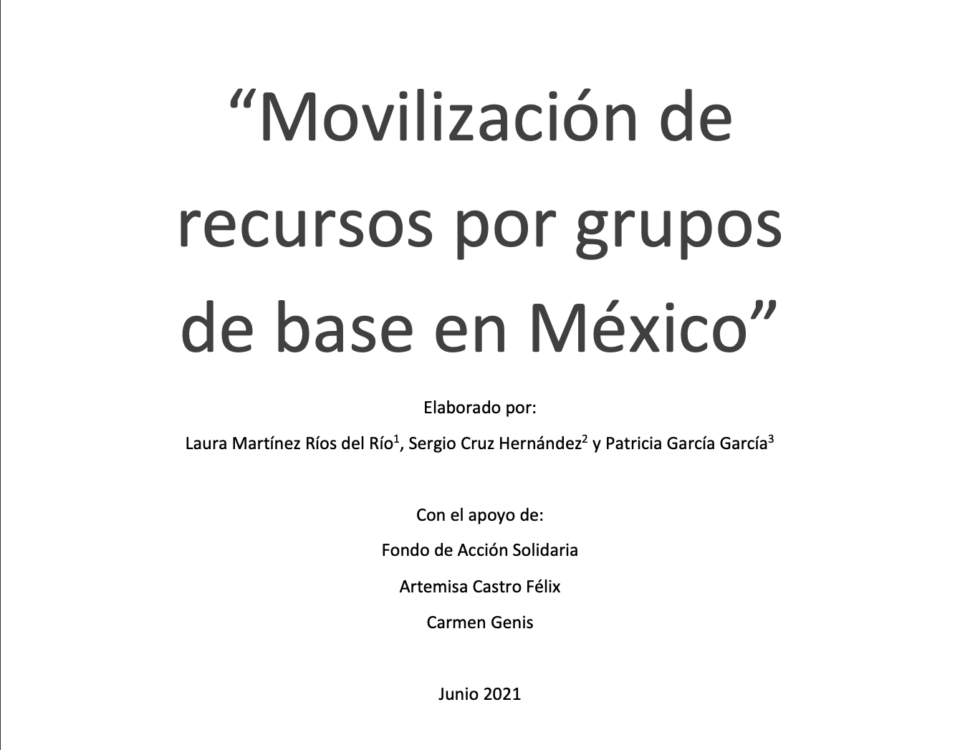
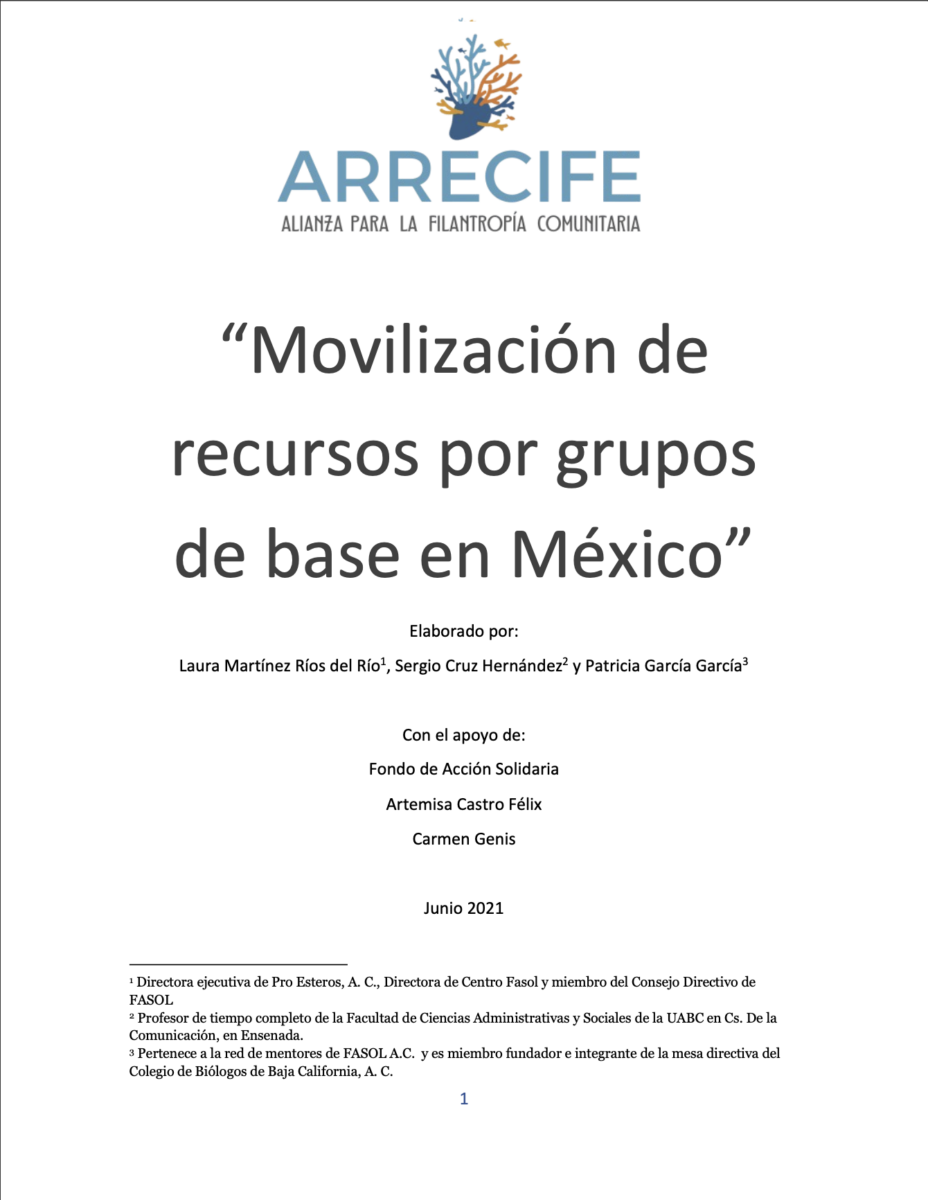
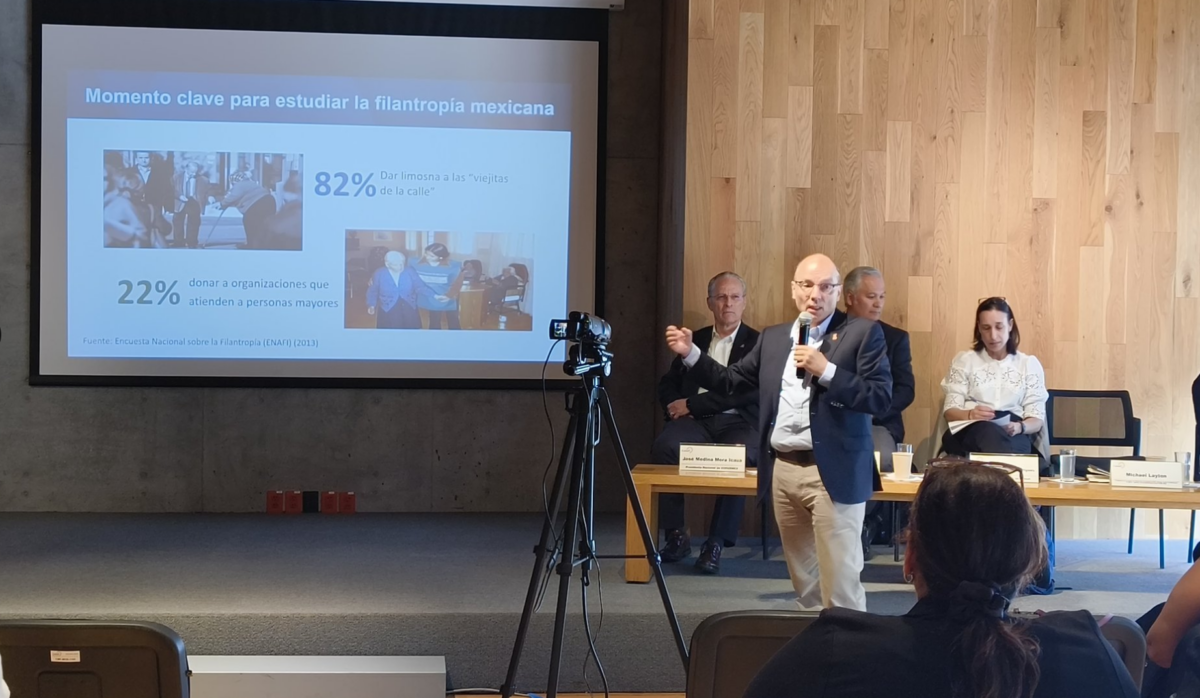
Artemisa Castro, Laura Martínez, Sergio Cruz, and Carmen Genis of Fondo Acción Solidaria A.C. (FASOL) presented the results of the Study on Resource Mobilization by Grassroots Groups in Mexico—conducted by Arrecife—during the morning session on November 12. The study aims to highlight the work these organizations do in their own communities to strengthen community philanthropy.
Grassroots development is the process through which people in a community identify, propose, and collaborate to address local challenges and improve their social, cultural, environmental, and economic well-being. It is a common approach in the work carried out by community foundations, feminist funds, and family foundations in Mexico.
The Arrecife study is based on a representative, non-random sample of grassroots groups from different parts of the country, and aims to identify the types of organizations that adopt this approach, the sources of the resources they receive, the mechanisms through which they access those resources, and the resources they mobilize themselves. The study analyzed 40 projects located in 10 states and 20 municipalities across the country between 2018 and 2020.
The resources received by the grassroots groups analyzed were classified as tangible and intangible, including moral, cultural, socio-organizational, human, and material resources; the latter accounted for 20% of the total resources mobilized.
Intangible resources—such as partnerships, relationships, the sharing of experiences, and the exchange of knowledge—are closely linked to generating more material resources. Grassroots groups, in turn, generate knowledge that is transformed into skills for solving local problems.
The simulated calculation found that grassroots groups have a great capacity to multiply the value of the material resources they receive for the benefit of their communities, thereby gaining legitimacy and strengthening local resilience.
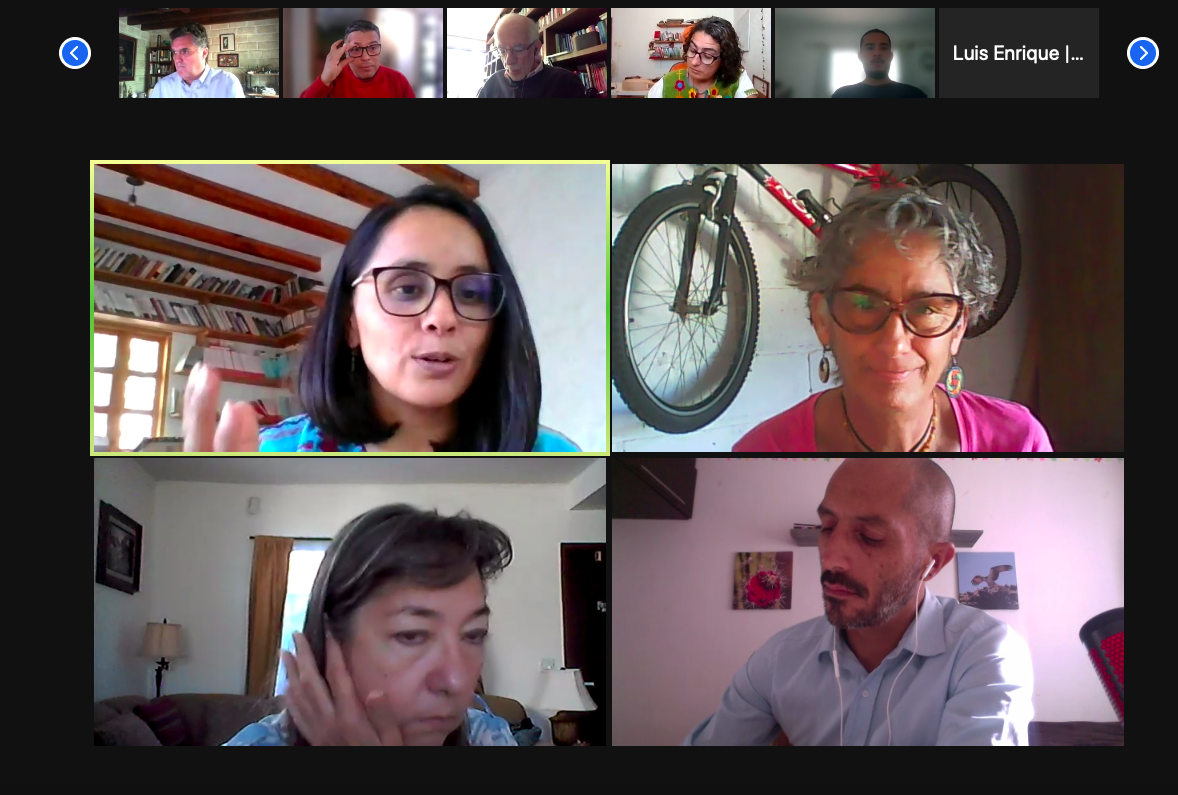
One of the main findings of Arrecife’s analysis is that the capacities of grassroots groups are not only triggered by receiving donations, but are also earned through the characteristics of a culture of social organization, volunteer work, and knowledge-based work.
Likewise, human resources are of paramount importance; for example, people’s ability to transform their reality, actions that help strengthen legitimacy within the community and empower individuals, and the importance of groups engaging in strategic planning to envision their future.
A Look at the Future of Comunalia
As the commemorative week came to a close, we—the members of Comunalia’s community foundations—reflected on the question, “How do we build the future of our alliance?” to spark discussion about the role we will play as an institution over the next 10 years.
At the national level, we envision Comunalia as an organization capable of participating in movements where the voices of member foundations and organized civil society are heard, engaging in public advocacy; a national asset that fosters dialogue on issues relevant to the sector.
We also envision Comunalia fostering the creation of more community foundations—at least one in each state—while recognizing community foundations not as members but as assets that enable greater reach. Furthermore, in 10 years, the alliance will have permanent programs to replicate and scale up new community foundations and support innovative projects through a dedicated fund, becoming a leader in community philanthropy.
In the future, the alliance plans to hold at least five regional meetings to spur local development. It also serves as a space for building new knowledge, a resource center with documentation and a repository for community foundations, and a point of comparison with experiences in other parts of the world.
Over the past 10 years, Comunalia has succeeded in transforming the relationship between funders and community foundations, creating a more horizontal space where the value of collaboration for community development is reinforced.
In an international context, within a decade, Comunalia will have established an international forum for sharing strategies, challenges, and lessons learned among community foundations. It serves as a leading actor and role model in Latin America, while also having the capacity to connect with and learn about activities and projects in international settings.
The discussions, conversations, and insights identified during the week-long celebration marking Comunalia’s 10th anniversary enriched this alliance’s vision for the future, enabling it to continue fostering community development through strategic philanthropy and the active participation of community members in addressing local issues and needs.